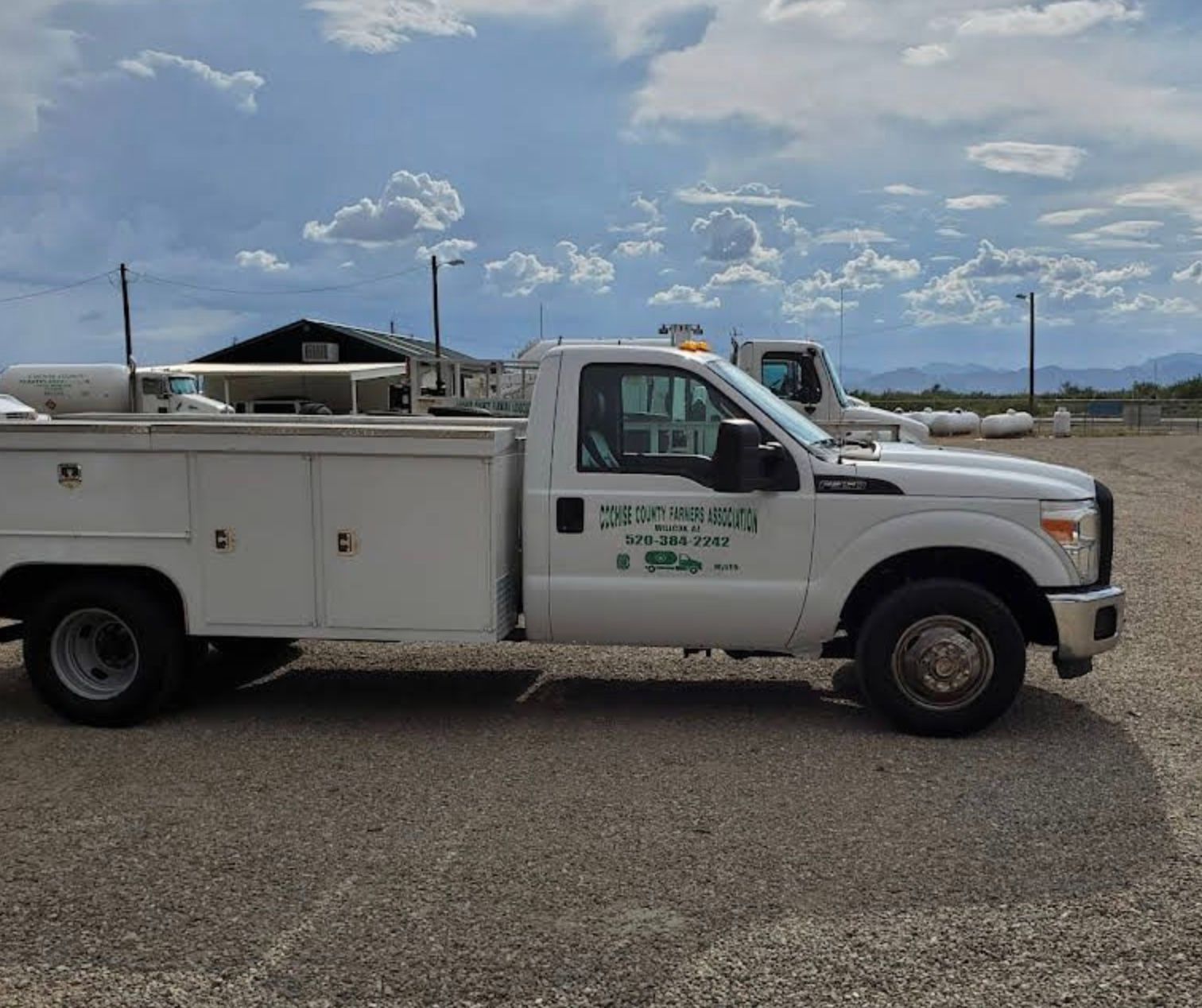
Propane Storage Mistakes to Avoid
June 29, 2026
Propane Storage Mistakes to Avoid at Home
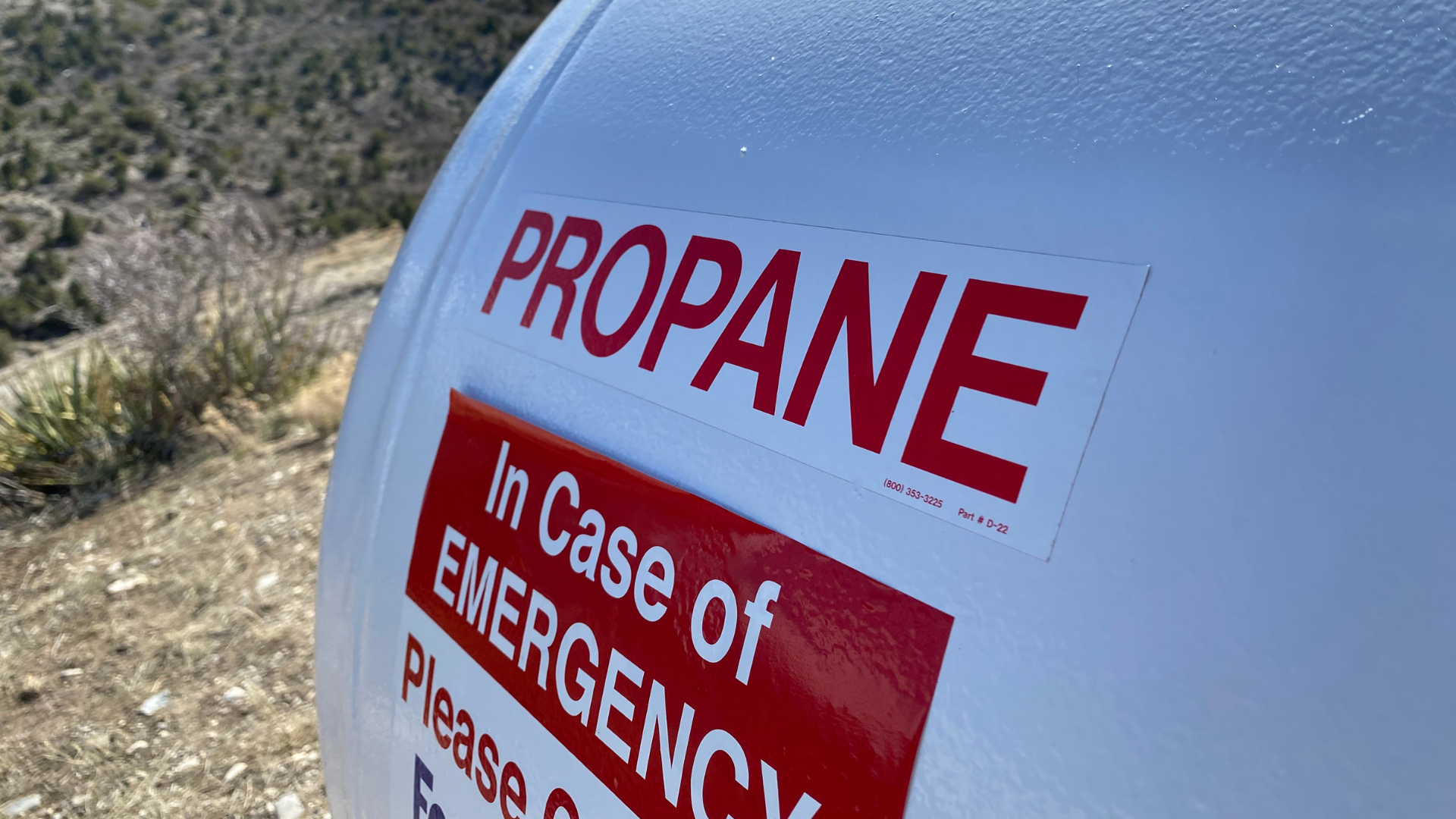
Propane is a dependable fuel for many homes across Cochise County, AZ. It can power heating systems, appliances, outdoor grills, generators, and more. But safe use starts long before the propane is turned on.
Many propane problems come from simple storage mistakes. A tank placed in the wrong spot, ignored for too long, or handled carelessly can create serious propane hazards. The good news is that most issues are preventable with better habits and a basic understanding of tank safety.
If you store propane at your home, farm, garage, or rural property, this guide breaks down the mistakes to avoid and what to do instead.
Where should propane tanks be stored safely?
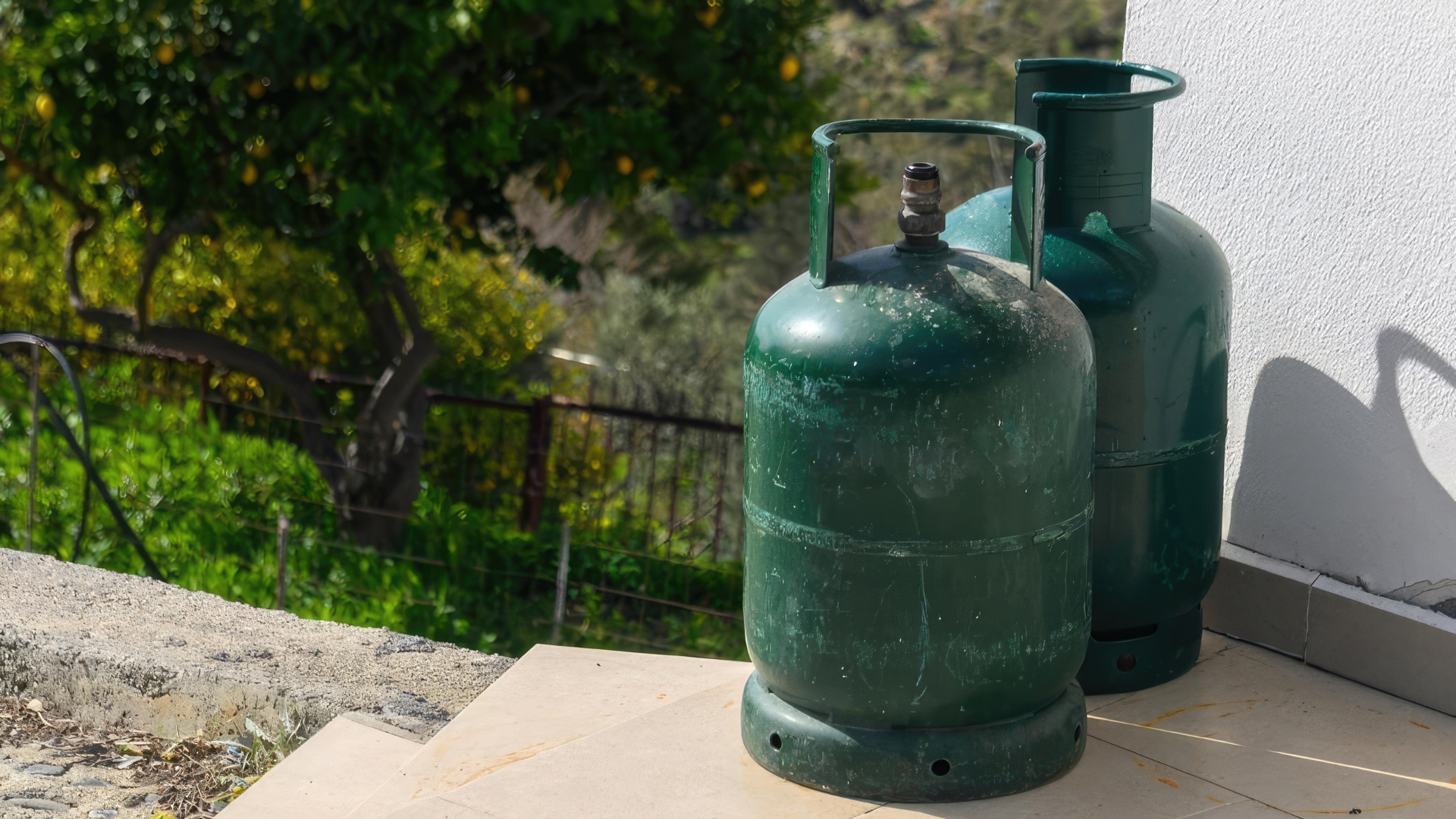
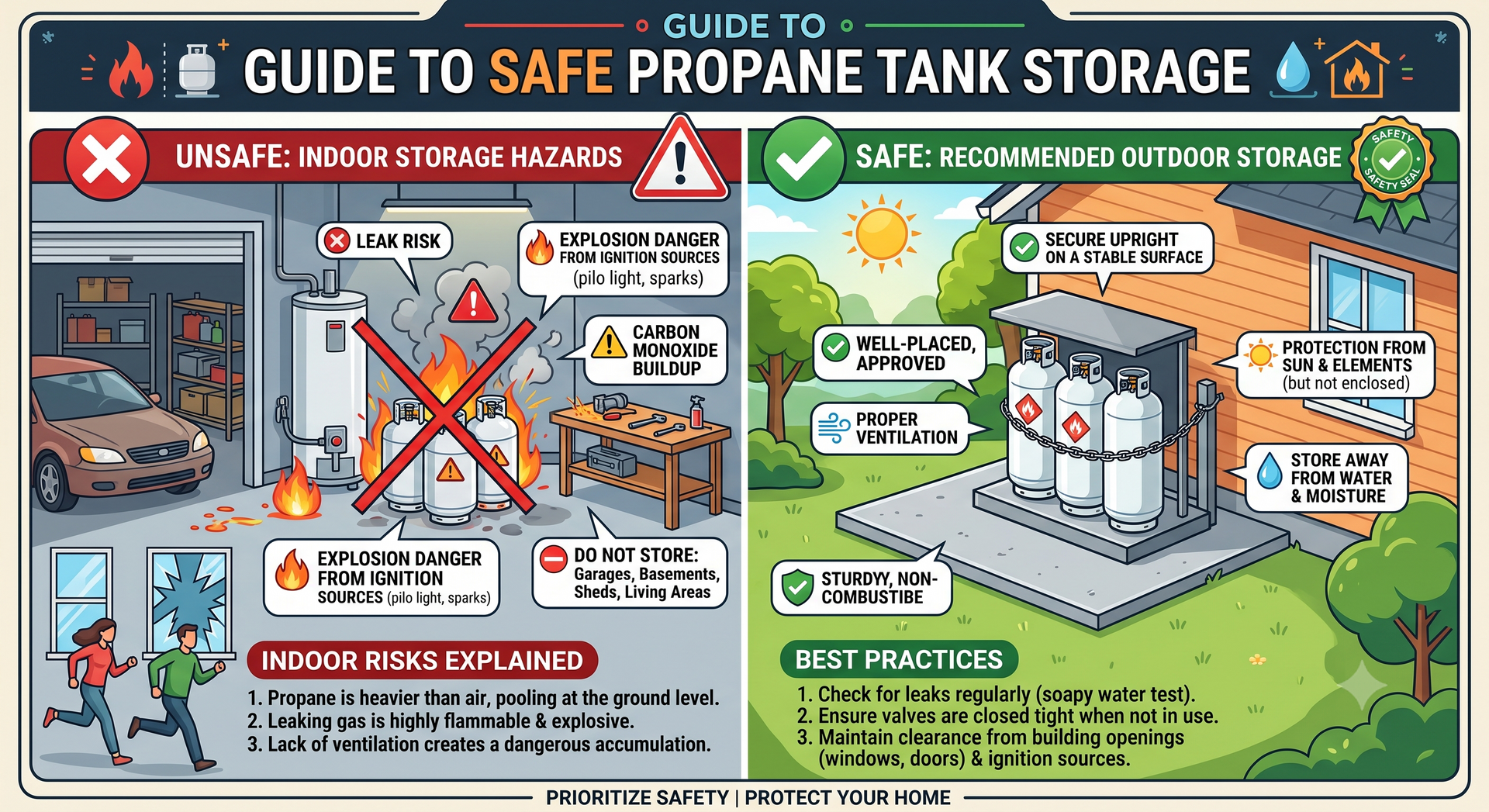
Propane tanks should always be stored outdoors in a well-ventilated area. Never store a propane tank inside your home, basement, shed, garage, enclosed porch, or vehicle. Even a small leak in an enclosed space can allow gas to collect and create a fire or explosion risk.
Good propane storage starts with airflow. Propane is heavier than air, so it can settle in low areas if a leak occurs. That is why tanks should not be stored near crawl spaces, open windows, drains, pits, or low-lying enclosed spots.
Keep tanks upright and stable
One of the most common propane storage mistakes is laying a tank on its side. Propane cylinders are designed to stand upright so the pressure relief valve works correctly. If a tank is placed sideways, liquid propane may reach the valve area and increase the chance of a safety issue.
Place tanks on a firm, level surface where they will not tip over. Avoid soft dirt, unstable pallets, or uneven areas that may shift during rain, wind, or regular use.
Avoid heat and ignition sources
Propane tanks should not be stored near open flames, electrical panels, grills, fire pits, heaters, or equipment that sparks. Direct heat can increase tank pressure. That can create a dangerous situation, especially during hot Arizona weather.
For homeowners who depend on regular fuel service,
local propane delivery in Willcox, AZ can help reduce the need to overstore extra cylinders around the property.
What propane tank safety checks should homeowners do?
Tank safety does not require complicated tools. It does require regular attention. A propane tank should look clean, stable, and free of obvious damage before use or storage.
Check for rust, deep dents, bulging, damaged valves, loose fittings, or signs that the tank has been dropped. If something looks off, do not try to repair the tank yourself. Propane equipment should be inspected or serviced by someone trained to handle it.
Watch for the smell of propane
Propane has a strong odor added to it so leaks are easier to detect. Many people describe it as rotten eggs or sulfur. If you smell propane, do not ignore it, even if the odor seems faint.
Do not light matches, turn switches on or off, use phones near the area, or start vehicles nearby. Move away from the area and contact a propane professional or emergency services if needed.
Do not use damaged hoses or fittings
Old hoses, cracked lines, worn connectors, or loose fittings can increase propane hazards. These parts may seem small, but they are important to safe operation. If a connection does not fit correctly, forcing it is never the answer.
If you need replacement fittings or related equipment, propane parts in Willcox, AZ may be worth reviewing before using a tank that has questionable components.
What storage habits create propane hazards?
A lot of propane hazards come from convenience. A homeowner stores a tank in the garage because it is close. Someone leaves a spare cylinder in a vehicle because they plan to use it later. Another person stacks items around a tank to save space.
Those choices may seem harmless, but they can quickly become unsafe.
Never store propane in a vehicle
A propane cylinder should not be left inside a car, truck, or enclosed trailer. Heat can build up fast, especially in Arizona. Pressure may rise inside the cylinder, and any leak would be trapped in a small enclosed space.
When transporting propane, keep the tank upright, secure it so it cannot roll, and take it directly to its destination. Do not leave it sitting in the vehicle for hours.
Do not block access to the tank
Your propane tank should be easy to reach. Do not pile tools, boxes, tires, firewood, yard supplies, or equipment around it. Clear access helps with inspections, refills, and emergency response.
This matters for rural properties in Cochise County, AZ where tanks may be near barns, workshops, or equipment areas. If your property also uses farm tires in Willcox, AZ or other supplies, keep those storage areas separate from propane tanks.
Do not try to hide the tank too closely
Some homeowners try to cover or screen propane tanks for appearance. That is fine only when it does not block ventilation, access, or required clearance. Do not fully enclose a tank with fencing, panels, tarps, or landscaping.
A propane tank needs breathing room. It also needs to remain visible enough for safe inspection and service.
How can homeowners prevent propane storage mistakes?
The easiest way to avoid propane storage mistakes is to create a simple routine. Pick a safe outdoor storage location, keep the area clear, and inspect tanks before each use. If something changes, such as storm damage, extreme heat exposure, or a suspicious odor, treat it seriously.
Do not wait for a problem to become obvious. Propane safety is about catching issues early.
Keep the area clean and dry
A clean propane storage area makes problems easier to spot. Remove weeds, trash, stacked materials, and anything that could burn easily. Keep the tank away from standing water when possible, since moisture can contribute to rust over time.
This is especially important in areas of Cochise County where dust, monsoon rain, and strong sun can all affect outdoor equipment.
Schedule delivery before you run too low
Running out of propane can cause more than an inconvenience. Some systems may require safety checks before being placed back into service. Planning ahead helps avoid rushed decisions, emergency handling, and extra storage of backup cylinders.
Homeowners who use propane throughout the year can ask about propane delivery in Willcox, AZ to keep fuel needs more predictable.
Store related supplies separately
Batteries, lubricants, tires, tools, and fuel-related equipment should not be crowded around propane tanks. Keeping storage areas organized reduces fire risk and makes inspections easier.
If your property uses equipment supplies such as batteries in Willcox, AZ, give propane its own safe storage zone with clear space around the tank.
Why propane safety matters in Cochise County, AZ
Cochise County, AZ has a mix of rural homes, farms, workshops, and properties with outdoor equipment. That makes propane a practical fuel source, but it also means storage conditions can vary widely from one property to another. Heat, wind, dust, and remote locations all make tank safety important, especially for homeowners who rely on propane for daily comfort and backup fuel.
Learn More From Cochise County Farmers Association
Cochise County Farmers Association helps homeowners understand propane delivery options and safe propane use in Cochise County, AZ. To learn more, call (520) 507-2275 and ask how local propane support can fit your home’s needs.
Frequently Asked Questions
Can I store a propane tank in my garage?
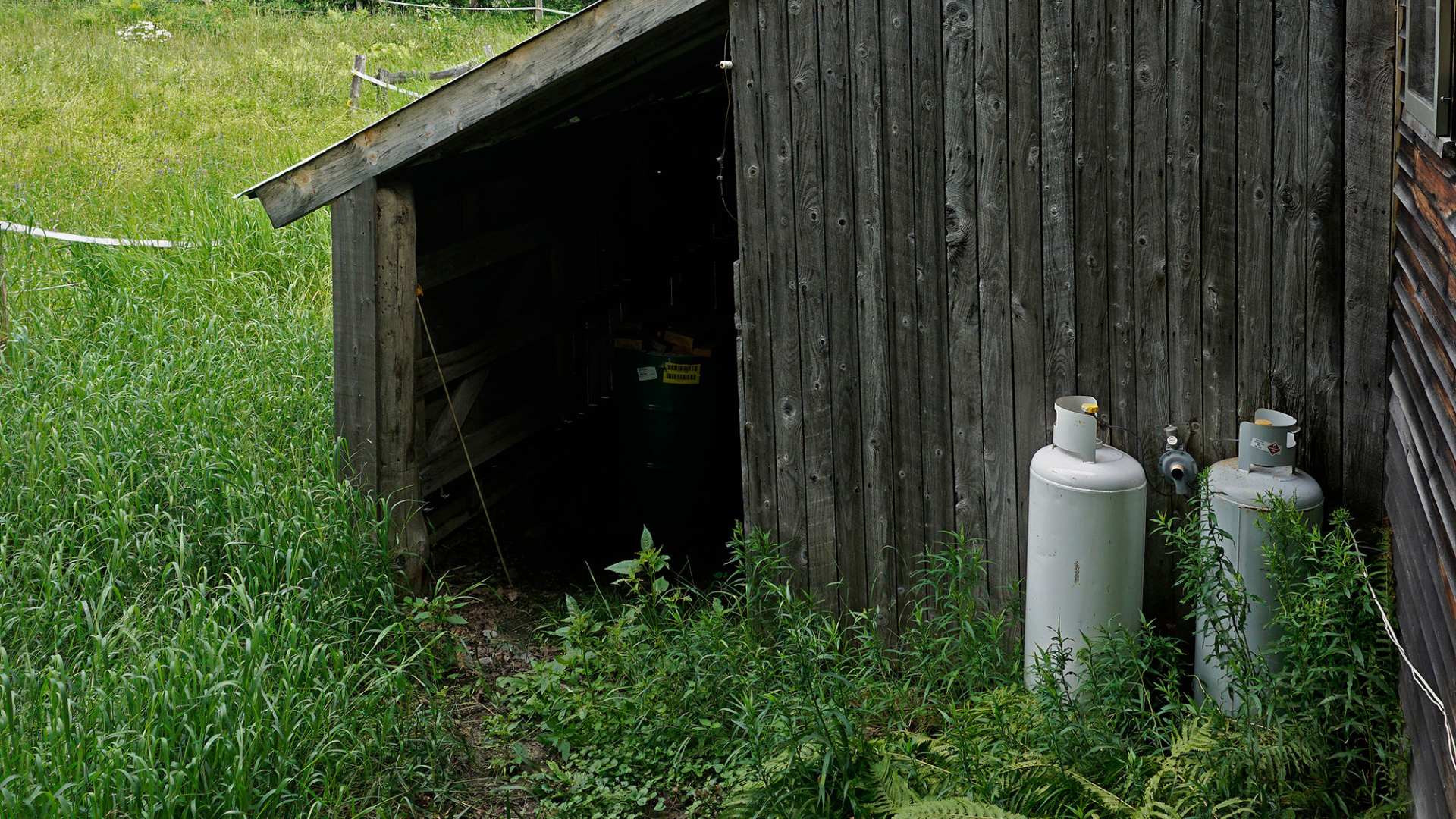
No. A propane tank should not be stored in a garage, shed, basement, or any enclosed space. If the tank leaks, propane can collect indoors and create a serious fire or explosion hazard.
How far should propane tanks be stored from the house?
Safe distance depends on the tank size, setup, and local requirements. As a general rule, tanks should be outdoors, upright, well-ventilated, and away from doors, windows, ignition sources, and heat. Ask a propane professional if you are unsure about your specific setup.
Is it safe to store propane tanks in the sun?
Outdoor propane tanks are built to handle normal outdoor conditions, but they should not be exposed to extreme heat sources. Avoid placing tanks near flames, heaters, engines, or reflective areas that increase heat. In hot areas like Cochise County, AZ, shade and ventilation can help reduce unnecessary heat exposure.
What should I do if I smell propane near a tank?
Move away from the area right away. Do not use switches, phones, flames, vehicles, or anything that could spark nearby. Once you are in a safe location, contact a propane professional or emergency services.
How do I know if my propane tank is damaged?
Look for rust, dents, bulging, valve damage, loose fittings, or signs of leaking. If the tank looks damaged, do not use it. Have it inspected before storing or connecting it again.
Propane is safe and useful when it is stored and handled correctly. Avoiding the most common propane storage mistakes can protect your home, your equipment, and your family. For local propane questions or delivery support in Cochise County, AZ, contact Cochise County Farmers Association at (520) 507-2275 to learn more.